
On June 9th, Anysphere (the maker of AI-powered coding assistant Cursor) announced it had raised $900 million at a staggering $9.9 billion valuation.
Just one week later, on June 16th, developers around the world launched Cursor… only to find it had become sluggish, unresponsive, and unexpectedly rate-limited. Even long-time users who had never hit their usage caps were now being asked to upgrade to a confusing new pricing model. What Cursor described as a “routine pricing update” quickly exploded into a full-blown crisis, triggering backlash across Reddit, X, and every major developer forum.
Within weeks, Cursor managed to alienate its most loyal advocates at record speed. Users were hit with unclear rate limits, opaque pricing tiers, and tone-deaf corporate messaging that only fueled the outrage. But the real issue wasn’t pricing. It was trust. Cursor broke a fundamental rule in developer tools: deliver what you promise, communicate transparently, and never treat your users like disposable revenue streams.
Cursor’s spectacular fall (in terms of customer loyalty) is more than a pricing debacle: it’s a warning shot for every VC-backed LLM wrapper. When the economics rely on subsidizing usage with venture money while quietly paying more to LLM providers than you earn, sustainability becomes a ticking time bomb. The question now isn’t whether Cursor can recover. It’s whether the entire model can survive without burning trust or capital in the process.
The widespread negative perception is illustrated with the following.
- r/singularity (Reddit): A post titled “Cursor’s recent pricing change was met with strong backlash forcing them to do refunds, market seems to be finally catching up with these VC-backed wrappers” drew attention to the backlash and refund demands. Comments pointed out that Cursor’s business model might have been “burning VC money on subsidizing API access,” implying it wasn’t sustainable. Users also noted that model providers like Anthropic hold all the cards, raising doubts about Cursor’s long-term viability .
- Medium (John Munn): Underlined core complaints: “Cursor is unusable now,” “waiting 45 seconds for a simple autocomplete,” and “Cursor isn’t generating anything.” These reports highlighted deteriorating performance, poor communication, and deepening degradation of trust among paying users.
- Hacker News: A particularly harsh episode involved an AI-powered support bot that hallucinated a fictitious “one-device login policy.” This led to widespread user cancellations. The situation was made worse by the company locking, and in some cases, deleting, the Reddit threads where users were venting. One angry commenter said: “Cursor support is garbage, but issues with billing and other things are so much worse… I do truly love how you guys even went so far to hide and lock the post from Reddit.”
- TechCrunch: Highlighted the uproar following the opaque switch from a request-based plan to usage-based billing. Users were billed unexpectedly, causing frustration and leading to an apology from Cursor’s CEO. He acknowledged they hadn’t handled the rollout well and promised refunds and clearer communication moving forward.
- FinTech Weekly & WeAreFounders: Reported the wide-ranging confusion caused by Cursor’s sudden pricing change, noting that many users felt misled and betrayed. One developer reportedly saw costs balloon from $28 to $500 in just three days after the update.
- Startups.blog: Summarized the backlash as a mix of silent plan changes, erratic performance, and declining trust. Some users even said their code editors became unstable or unpredictable—even breaking entire projects without warning.
- Wikipedia on Anysphere: Summarizes two key controversies:
- The AI support bot’s hallucinated policy in April 2025.
- The July pricing backlash and refund rollback due to unexpected charges, highlighting the widespread community dissatisfaction .
- Wikipedia on Cursor: Reiterates the support bot hallucination incident and the company’s public retraction clarifying there was no real policy change: it was just an AI error.
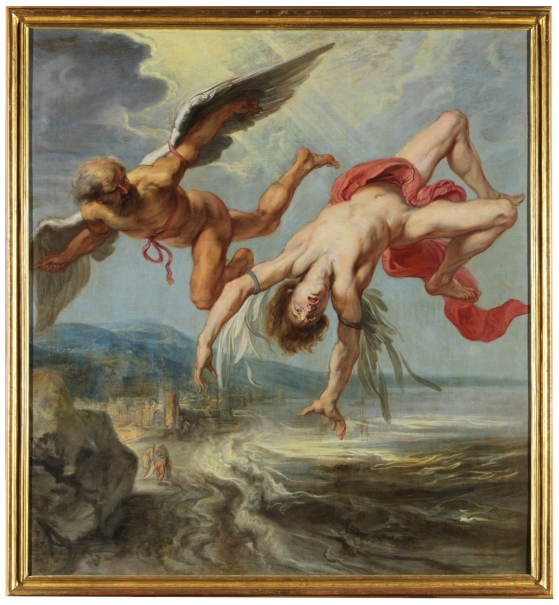
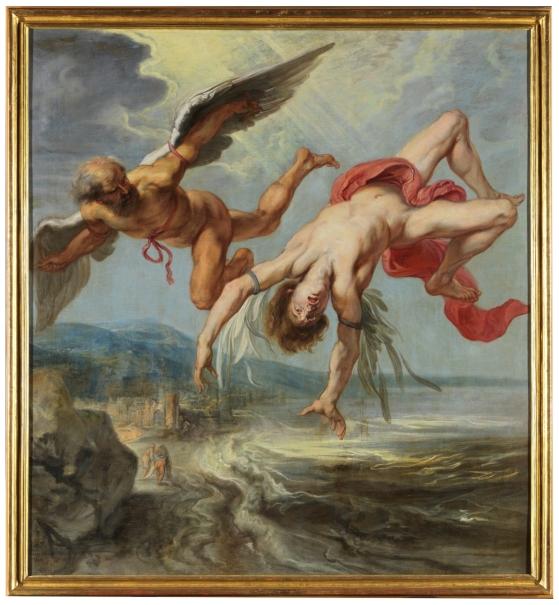
PS: image is “The Fall of Icarus”, Museo del Prado 1615, 1661 – Gowy, Jacob Peeter
 Controlled AI services
One Reply to “”